
BLOG
The 2026 Equinox: Celebrating Change and Balance in Nature


Introduction to the Equinox
As we approach the 2026 equinox, a remarkable moment in our calendar unfolds. This celestial event marks the perfect balance between day and night, offering us a chance to reflect on change and harmony within ourselves and nature. With roots deep in ancient traditions, the equinox invites us to celebrate not just the shifting seasons but also our own journeys of growth.
Whether you’re an avid stargazer or someone simply seeking new ways to connect with nature, this is your opportunity to embrace what it means to find balance in an ever-changing world. Join us as we explore the history, science, symbolism, and exciting ways you can honor this significant event!
History and Traditions of Celebrating the Equinox
The equinox has captivated humanity for centuries, marking a pivotal point in the solar calendar. Ancient civilizations celebrated this celestial event with various rituals and festivals designed to honor nature’s balance.
For instance, the Vernal Equinox was significant for cultures like the Persians, who held Nowruz, or New Year. This festival symbolizes rebirth and renewal as spring emerges from winter’s grasp.
In many Native American traditions, ceremonies were conducted to express gratitude for harvests. These gatherings fostered community bonds while acknowledging the changing seasons.
Similarly, ancient Egyptians aligned their pyramids with celestial events during the equinoxes. The rising sun would illuminate specific chambers within these architectural wonders.
Each culture embraced unique practices that resonate even today. From feasts to meditations, these traditions reflect humanity’s enduring connection with nature and its cycles.
The Science Behind the Equinox
The equinox occurs when the Earth’s tilt is neither away from nor toward the sun. This creates a unique balance, resulting in nearly equal daylight and night across the globe.
During this celestial event, which happens twice a year—spring and fall—the sun crosses the celestial equator. As a result, day length shifts dramatically throughout seasons.
Astronomically speaking, these moments signify transitions. The vernal equinox in March marks rebirth and renewal as nature awakens. Conversely, the autumnal equinox heralds harvest time and introspection.
This delicate interplay of light and dark influences ecosystems profoundly. Plants respond to changing sunlight patterns with growth cycles that align with seasonal rhythms.
Understanding these scientific principles enhances our appreciation for natural phenomena like the 2026 equinox. Recognizing its significance can deepen our connection to Earth’s intricate systems.
Symbolism and Meaning of the Equinox in Different Cultures
The equinox holds profound symbolism across various cultures. In ancient Egypt, it marked the time of rebirth, aligning with their agricultural cycles. The day was celebrated as a moment to honor Osiris, the god of fertility and resurrection.
In Japan, the spring equinox is known as Shunbun no Hi. It’s a time for families to gather and pay respects to ancestors while welcoming new life with blooming cherry blossoms.
For many Indigenous tribes in North America, this celestial event signifies balance between light and darkness. Ceremonies often focus on gratitude for nature’s gifts.
In Hinduism, the autumnal equinox ties into festivals like Navaratri, celebrating goddess Durga’s triumph over darkness—an embodiment of change and renewal. Each culture weaves its own story around this natural phenomenon, enriching our understanding of harmony and equilibrium in life.
How to Celebrate the 2026 Equinox
Celebrating the 2026 equinox can be a delightful experience. Begin by hosting an outdoor gathering with friends and family. Enjoy seasonal foods that highlight nature’s bounty, such as vibrant fruits and hearty vegetables.
Consider creating a gratitude circle. Each person can share what they appreciate about life during this time of balance. This fosters connection and reflection on personal growth.
Engage in activities that honor both day and night. A sunrise hike or sunset meditation allows you to embrace the changing light around you.
Crafting your own equinox rituals is another way to celebrate. Light candles, set intentions for the coming months, or create an art piece inspired by nature’s cycles.
Spending quiet moments in your garden or local park encourages mindfulness while grounding yourself in Earth’s rhythms during this special event.
Connecting with Nature and Finding Balance in Our Lives
Connecting with nature is essential for our well-being. It allows us to step away from the chaos of daily life and find moments of peace.
Take a walk in a nearby park or hike in the woods. Feel the earth underfoot and breathe in fresh air. Notice how your surroundings shift with each season, reminding you of the beauty of change.
Gardening can also foster this bond. Planting seeds and watching them grow creates a sense of responsibility and joy. Each bloom represents resilience.
Mindfulness practices like meditation outdoors deepen this connection further. The gentle rustling of leaves or birdsong can ground you, aligning mind and body.
Embracing these natural elements can help restore balance within ourselves amidst life’s uncertainties. Small acts—like listening to nature’s rhythm—can lead to profound insights about our place in the world.
Conclusion: Embracing Change and Finding Harmony with the 2026 Equinox
As we approach the 2026 equinox, it’s an opportune moment to reflect on the balance and change that this season invites. The equinox serves as a reminder of nature’s rhythm—a time when day and night are equal. This natural phenomenon encourages us to examine our own lives.
Embracing change is vital for personal growth. Just as nature transitions from one phase to another, we too can find harmony amidst life’s challenges. Whether it’s through fostering connections with loved ones or spending time outdoors in reflection, each step brings us closer to balance.
Celebrating the 2026 equinox offers numerous opportunities for connection—both with ourselves and the world around us. Engage in traditions that resonate with you or create new rituals that honor this special time.
Finding peace within yourself can lead to greater harmony in your life and community. As you navigate through changes ahead, remember: just like the seasons, every ending has a new beginning waiting right around the corner.


The C6 Corvette stands as one of the most celebrated generations of America’s legendary sports car. Produced by Chevrolet, the C6 Corvette combines performance, style, and innovation into a thrilling driving experience. From its powerful engines to its refined handling, the C6 generation helped redefine what modern sports cars could deliver while maintaining the Corvette’s iconic identity.
What Is the C6 Corvette?
The Chevrolet Corvette (C6) is the sixth generation of the Corvette lineup, produced between 2005 and 2013. It replaced the Chevrolet Corvette (C5) and introduced significant improvements in performance, interior quality, and technology.
One of the most noticeable changes was the removal of pop-up headlights, a design element that had been part of Corvette styling for decades. The C6 introduced fixed headlights, giving the car a more modern and aggressive appearance.
Design and Styling Evolution
The C6 Corvette featured a sharper, more refined design compared to its predecessor. Key styling highlights include:
- Fixed headlights for improved aerodynamics
- Wider stance for better stability
- Sculpted body lines for a modern look
- Lightweight materials to enhance performance
- Redesigned interior for improved comfort
These changes made the C6 both visually appealing and performance-oriented.
Engine Options and Performance
The C6 Corvette offered multiple engine configurations throughout its production:
Base Model (LS2 Engine)
Early models came equipped with a 6.0-liter V8 engine producing around 400 horsepower. This provided impressive acceleration and strong highway performance.
Updated LS3 Engine
Later models received the 6.2-liter LS3 V8 engine with approximately 430 horsepower. This upgrade improved both speed and efficiency.
High-Performance Variants
Chevrolet Corvette Z06 (C6)
The Z06 version featured a 7.0-liter LS7 V8 engine delivering 505 horsepower. It included lightweight components and track-focused suspension.
Chevrolet Corvette ZR1 (C6)
The ZR1 became the most powerful Corvette at the time, powered by a supercharged 6.2-liter LS9 V8 engine producing 638 horsepower.
Chevrolet Corvette Grand Sport (C6)
The Grand Sport combined the base engine with Z06-inspired handling upgrades for balanced performance.
Performance Highlights
The C6 Corvette delivered exceptional performance:
- 0–60 mph in as little as 3.4 seconds (ZR1)
- Top speeds exceeding 200 mph (ZR1)
- Lightweight aluminum frame
- Advanced suspension tuning
- Rear-wheel-drive layout for sporty handling
These features helped the C6 compete with high-end European sports cars.
Interior and Technology
The C6 Corvette improved interior quality compared to earlier models. Key features included:
- Premium leather seating
- Head-up display
- Bose audio system
- Navigation system (optional)
- Dual-zone climate control
Although still focused on performance, the C6 offered more comfort and technology than previous generations.
Driving Experience
The C6 Corvette is known for its balanced driving dynamics. It offers:
- Precise steering response
- Strong braking performance
- Excellent cornering ability
- Comfortable cruising capability
- Track-ready performance in higher trims
This balance makes the C6 suitable for both daily driving and weekend track use.
Why the C6 Corvette Remains Popular
Several factors contribute to its lasting popularity:
- Strong performance-to-price ratio
- Iconic Corvette styling
- Reliable V8 engines
- Multiple performance variants
- Modern features without excessive complexity
Enthusiasts often consider the C6 one of the best value sports cars available.
C6 Corvette vs Other Generations
Compared to the Chevrolet Corvette (C7), the C6 offers a more raw driving feel. While newer models include advanced electronics, many drivers prefer the mechanical simplicity of the C6.
The C6 also improved significantly over the C5 in terms of interior quality, performance, and handling.
Benefits of Owning a C6 Corvette
- Powerful V8 performance
- Lightweight design
- Affordable entry into sports car ownership
- Strong aftermarket support
- Iconic American heritage
- Excellent track capabilities
These advantages make it attractive to both collectors and enthusiasts.
The Legacy of the C6 Corvette
The C6 Corvete played a major role in modernizing the Corvette lineup. It bridged classic performance with contemporary engineering, setting the stage for future generations. Its combination of power, design, and value continues to influence sports car enthusiasts worldwide.
Conclusion
The C6 Corvette remains a standout in the history of American performance cars. With powerful engine options, improved design, and thrilling driving dynamics, it embodies the spirit of the Corvette brand. Whether in base form or high-performance variants like the Z06 and ZR1, the C6 Corvette continues to impress drivers and collectors alike.
FAQ’s
What years was the C6 Corvette produced?
The C6 Corvette was produced from 2005 to 2013.
What is the most powerful C6 Corvete ?
The Corvette ZR1 is the most powerful, producing 638 horsepower.
Is the C6 Corvete reliable?
Yes, many owners consider it reliable, especially with proper maintenance.
What engine does the base C6 Corvete have?
It came with LS2 or LS3 V8 engines depending on the model year.
Is the C6 Corvete a good investment?
Its performance, popularity, and value make it appealing to enthusiasts and collectors.
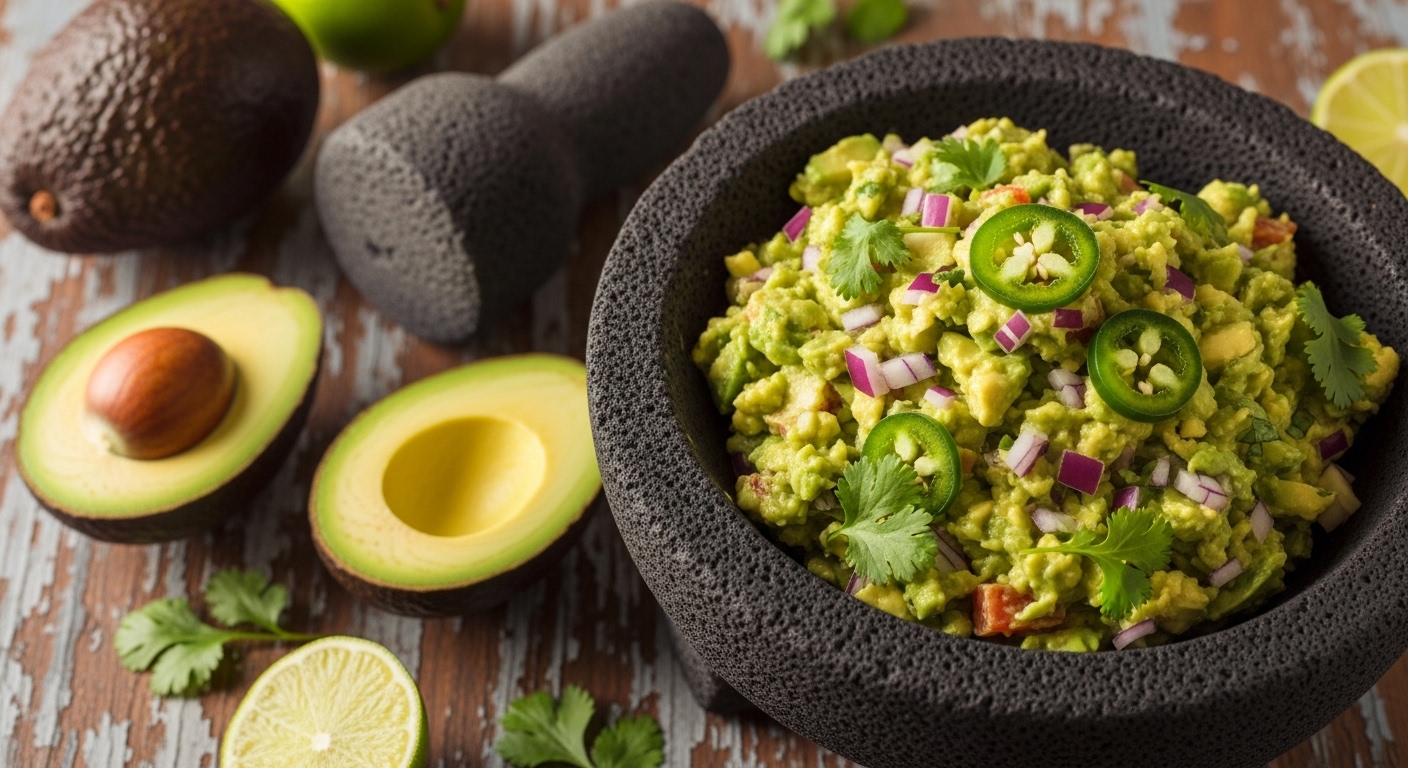
The molcajete is more than just a kitchen tool; it is a timeless culinary treasure that continues to inspire home cooks and professional chefs alike. Known for its durability and traditional grinding ability, the molcajete has been used for centuries to prepare flavorful dishes. Today, it remains a favorite for those who appreciate authentic textures and rich tastes in their cooking.
What Is a Molcajete?
A molcajete is a traditional mortar carved from volcanic stone, typically paired with a grinding tool called a tejolote. Originating in Mexico, this kitchen tool has deep cultural and culinary significance. Its rough surface helps grind ingredients effectively, releasing oils and enhancing flavor.
Unlike modern electric blenders, the molcajete allows cooks to manually crush ingredients, creating a texture that many believe cannot be replicated by machines.
History and Cultural Significance
The molcajete dates back to ancient Mesoamerican civilizations. Indigenous communities used volcanic stone tools for grinding grains, herbs, and spices. Over time, the molcajete became essential in preparing traditional dishes such as Guacamole and Salsa.
Even today, many households and restaurants use molcajetes not only for cooking but also for serving dishes, preserving a strong connection to culinary heritage.
Key Features of a Molcajete
Volcanic Stone Construction
Molcajetes are typically made from basalt, a porous volcanic rock. This material provides excellent grinding efficiency and durability.
Natural Grinding Surface
The rough interior helps crush ingredients rather than cutting them, which enhances flavors.
Heat Retention
Molcajetes retain warmth, making them suitable for serving hot dishes.
Versatility
They can be used for sauces, spice blends, marinades, and even serving meals.
Why Use a Molcajete Instead of a Blender?
Using a molcajete offers several advantages:
- Enhances flavor by releasing natural oils
- Creates authentic texture
- Requires no electricity
- Durable and long-lasting
- Adds traditional presentation to meals
Many chefs prefer molcajetes for recipes where texture and authenticity matter most.
How to Season a New Molcajete
Before first use, seasoning is essential to remove loose stone particles:
- Rinse the molcajete with water only
- Grind uncooked rice until powdery
- Discard and repeat until rice remains white
- Grind garlic, salt, and herbs
- Rinse lightly and dry
This process prepares the surface for safe cooking.
Popular Dishes Made in a Molcajete
Molcajetes are ideal for preparing:
- Guacamole
- Pico de gallo
- Salsa verde
- Spice blends
- Herb pastes
- Marinades
These dishes benefit from the manual grinding process, which enhances taste and texture.
Caring for Your Molcajete
Proper care ensures longevity:
- Wash with warm water only
- Avoid soap, which may absorb into the stone
- Air dry completely
- Use a brush for cleaning
- Store in a dry place
With proper maintenance, a molcajete can last for decades.
Modern Uses in Today’s Kitchen
While rooted in tradition, molcajetes are widely used in modern kitchens. They serve both practical and decorative purposes. Many restaurants present sizzling dishes directly in molcajetes for dramatic effect, combining tradition with modern presentation.
Home cooks also appreciate the aesthetic appeal, making the molcajete both a functional tool and a centerpiece.
Benefits of Adding a Molcajete to Your Kitchen
- Authentic flavor enhancement
- Durable and long-lasting
- Eco-friendly and manual
- Versatile cooking tool
- Cultural culinary experience
- Attractive serving presentation
These benefits make the molcajete a valuable addition to any kitchen.
Conclusion
The molcajete stands as a culinary marvel that bridges tradition and modern cooking. Its volcanic stone construction, authentic grinding ability, and cultural significance make it more than just a mortar and pestle. Whether preparing fresh salsa or serving a flavorful dish, the molcajete offers a unique experience that enhances both taste and presentation.
FAQ’s
What is a molcajete made of?
A molcajete’s is typically made from volcanic stone, usually basalt.
Do I need to season a molcajete’s before use?
Yes, seasoning removes loose particles and prepares it for cooking.
Can I use soap to clean a molcajete’s?
No, soap can absorb into the porous stone and affect flavor.
What dishes are best prepared in a molcajete’s?
Guacamole, salsa, spice blends, and herb pastes work best.
Is a molcajete’s better than a blender?
For texture and authentic flavor, many cooks prefer a molcajete.
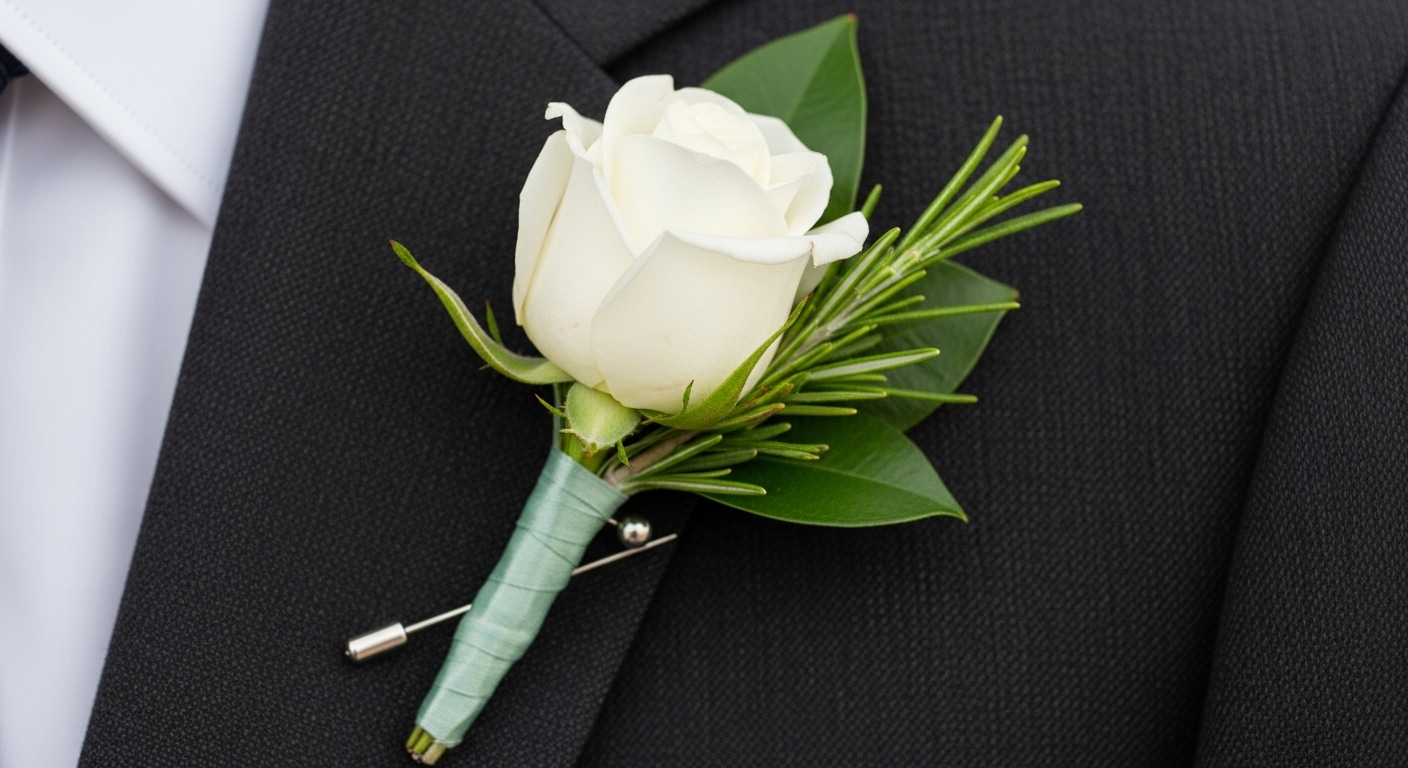
The lapel of a jacket or coat can be adorned with a Boutineer, which is a small, exquisite floral arrangement. These attractive accessories have been used by men for generations, and they never fail to elevate an ensemble to the next level of class and elegance. In this post, we’ll learn all about Boutineer, from their significance in history to how to pick the best one for an upcoming formal event.
The Origin and History of Boutineer
Ancient Egyptians first started wearing boutonnieres to fight off evil spirits with the use of scented flowers and herbs. As time went on, boutoniers came to represent class and sophistication. French and English nobility in the 16th century are credited with popularising the boutonier, which has since become an essential part of formal attire.
Types of Flowers Used in Boutineer
Boutoniers can be constructed from many different types of flowers, each with its own meaning and aesthetic value. Roses, lilies, and carnations are frequently selected to convey various emotions. The flower you pick should be a reflection of both you and the event you’re attending.
Choosing the Perfect Boutonier
It’s important to match the boutonniere’s colour and design to the rest of your outfit. The boutonniere should enhance your look rather than steal the show. It’s a nice touch to match the flower’s hue to your tie, pocket square, or the event’s overall motif.
How to Wear a Boutonier
There’s an art to sporting a boutonniere, despite its seeming simplicity. It should be pinned in place on the wearer’s left lapel, somewhat above the heart. If you place the boutonniere correctly, it will stay in place for the duration of the event.
Boutoniers for Different Occasions
Boutonniers are not just for weddings. They are appropriate for a wide range of occasions, from prom to cocktail parties to everyday outings. Making sure your boutonniere is appropriate for the event is a nice gesture.
DIY Boutoniers – A Creative Touch
Making your own boutonniere can be an enjoyable and inspiring creative outlet. You can add meaningful herbs or flowers to your accessory to make it truly unique. There are a lot of helpful tutorials available online to walk you through the steps.
The Significance of Boutoniers in Weddings
The boutonniere is a traditional wedding accessory. Grooms, groomsmen, and the bride and groom’s dads sometimes sport them at weddings. Because they may be tailored to fit in with the overall aesthetic of the wedding, boutonnieres are a must-have accessory.
Boutoniers for Proms and Formal Events
The prom is the perfect time to break out the boutonniere. Many young men match their date’s corsage with a matching boutonniere to complete their evening ensemble.
Caring for Your Boutonier
Keep your boutonnier well-watered and handle it gently to keep it looking great throughout the event. The shelf life can be prolonged by storing it in a cool, humid environment after a little misting with water.
The Language of Flowers
There is a secret language spoken by flowers, and each flower has its own special meaning. You can add nuance and emotion to your outfit by using flowers with meaning in your boutonier.
Boutoniers in Contemporary Fashion
The use of a boutonniere is not limited to special events. Many men now wear them as an everyday accessory or to make a fashion statement. You may dress up a casual outfit by adding a boutonniere.
Unique Boutonier Ideas
Extraordinary boutonnieres are the result of out-of-the-box thinking. You may use everything from succulents to feathers to construct a truly unique boutonier.
Boutoniers and Sustainability
Choosing eco-friendly boutonnieres can make a difference in the fight against climate change. Keeping your boutonnier green means using flowers that are in season and available locally.
Conclusion
Thus, it is clear that boutonnieres are more than just a decorative flower accessory. They have a long and significant history, convey meaning, and are a classy addition to any ensemble. Whether you’re getting dressed up for a wedding, prom, or just a day at the office, a boutineer is always a good idea.
FAQ’s
Q: Are Boutineer only for men?
Although boutonnières are more commonly associated with men, there is no restriction against women wearing them. One’s own sense of taste and preference is paramount.
Q: How long do boutineer last?
Boutoniers are usually there for the entirety of the event. They will stay fresh for several hours if you treat them right.
Q: Can I make my own boutonier at home?
Absolutely! There are a tonne of boutonniere tutorials on the internet, so building your own is a great way to get creative and have fun.
Q: What flowers are best for boutineer in weddings?
Roses, calla lilies, and baby’s breath are all classic options for wedding boutonnieres, but the flowers you choose should also reflect your wedding’s aesthetic and your own preferences.
Q: Are there eco-friendly options for boutoniers?
Eco-friendly boutineer are possible thanks to the use of in-season flowers gathered close to home and eco-friendly components. It’s a fantastic strategy for lessening your effect on the planet.
-

 BLOG3 months ago
Komorebi: Meaning, Origin, Cultural Significance, and Why This Japanese Word Captivates the World
-

 ENTERTAINMENT2 months ago
PlayMyWorld.com: A Digital Playground for Creativity and Connection
-

 TECH3 months ago
Epcylon: Revolutionizing the FinTech Landscape with AI
-

 BLOG3 months ago
Yuguguhuh: Meaning, Origins, And How To Investigate
-

 BLOG3 months ago
Reid Russom: An Informational Overview
-

 BLOG3 months ago
Qozloxdur25 – The Secret Everyone Is Talking About!
-

 BLOG3 months ago
WeLearn 2.0: Next-Generation Learning Platform
-

 BLOG3 months ago
Spiderminer2: How to Play, Level Up, and Earn Rewards