
HEALTH
Mikoplazmos: Understanding Mycoplasmas and Their Impact on Health

Introduction
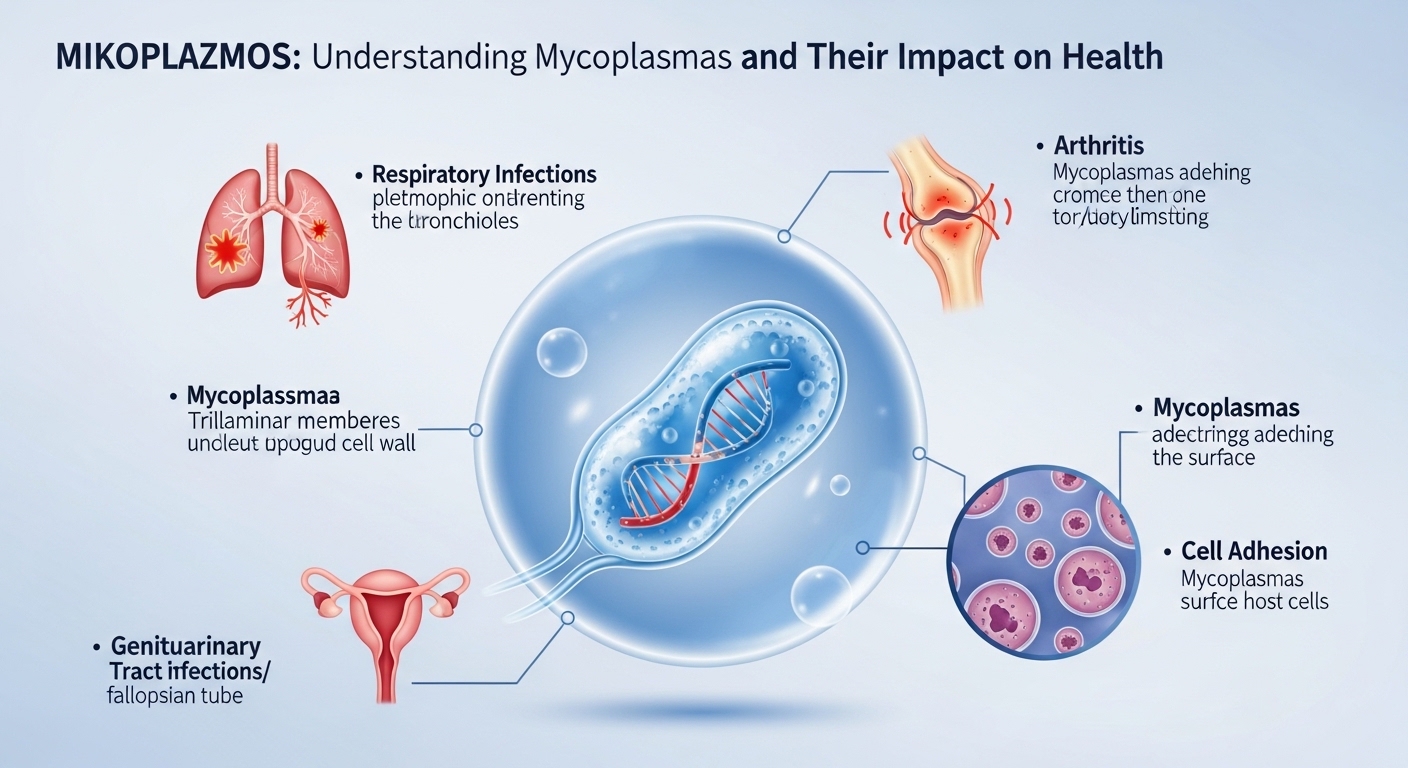
Mikoplazmos, or mycoplasmas, are a unique group of bacteria characterized by their lack of a cell wall, which allows them to take on a variety of shapes and sizes. They are the smallest free-living organisms known to science and are of great interest due to their implications in both environmental ecosystems and human health.
The Unique Biology of Mikoplazmos
Characteristics of Mycoplasmas
Mycoplasmas belong to the class Mollicutes and are distinguished by several key characteristics:
- Cell Structure: Unlike most bacteria, mycoplasmas lack a rigid cell wall. Instead, they possess a flexible cell membrane that makes them pleomorphic, meaning they can change shape in response to their environment.
- Size: Mycoplasmas are extremely small, typically measuring around 0.2 to 0.3 micrometers in diameter. This small size allows them to pass through filters that retain larger bacteria.
- Nutritional Requirements: Mycoplasmas are fastidious organisms that require specific nutrients for growth, which they usually acquire from their host organisms.
Types of Mikoplazmos
There are several species of mycoplasmas that can affect plants, animals, and humans. Some of the most notable include:
- Mycoplasma pneumoniae: A common pathogen in humans responsible for respiratory infections like atypical pneumonia.
- Mycoplasma genitalium: Associated with urogenital infections and has implications in sexually transmitted diseases.
- Mycoplasma hyopneumoniae: A significant pathogen in the swine industry, causing respiratory issues in pigs.
The Role of Mikoplazmos in Human Health
Respiratory Infections
Mikoplazmos have been implicated in various respiratory conditions. Mycoplasma pneumoniae is particularly notorious for causing mild to severe respiratory infections in humans, especially in children and young adults. The infection often presents with symptoms such as:
- Persistent cough
- Fever
- Fatigue
- Sore throat
Unlike bacterial pneumonia caused by other pathogens, infections due to mycoplasmas can be challenging to diagnose, as they often require serological testing or PCR methods for accurate identification.
Urogenital Infections
Mycoplasma genitalium is a pathogen that has garnered attention for its role in urogenital infections. It has been linked to conditions like pelvic inflammatory disease (PID), which can lead to severe complications such as infertility if left untreated. Increasingly, efforts are being made to assess the prevalence of this organism in sexually transmitted infections (STIs), given its potential role in enhancing susceptibility to HIV.
Implications in Chronic Conditions
There is emerging research suggesting that certain mycoplasmas may play a role in chronic diseases such as rheumatoid arthritis and fibromyalgia. The connection is still under investigation, but it may involve the immune response to mycoplasma infection inducing or exacerbating these conditions.
Diagnosis of Mikoplazmos Infections
Diagnosing infections caused by mikoplazmos can be complex due to their unique characteristics and the similarities they share with other pathogens. Commonly used diagnostic methods include:
- Serological Tests: These tests detect antibodies produced in response to mycoplasmas, providing evidence of infection.
- Polymerase Chain Reaction (PCR): PCR enables the detection of mycoplasma DNA in biological samples, offering a sensitive and specific means of identification.
- Culture Techniques: While technically challenging due to their fastidious nature, mycoplasmas can be cultured under specific laboratory conditions.
Treatment Options for Mikoplazmos Infections
Antibiotic Resistance
One of the significant challenges in treating mycoplasma infections is the increasing rate of antibiotic resistance. Traditional antibiotics that target cell wall synthesis, like penicillins, are ineffective against mikoplazmos due to their lack of a cell wall. Instead, the following types of antibiotics are commonly used:
- Macrolides: Such as azithromycin and clarithromycin.
- Tetracyclines: Including doxycycline.
- Fluoroquinolones: Like levofloxacin.
However, with rising antibiotic resistance, judicious use of these antibiotics is essential, alongside monitoring for treatment efficacy.
Environmental Significance of Mikoplazmos
Mikoplazmos are not only significant in human health but also play a role in environmental ecosystems. They can be found in diverse environments, including soil and the gastrointestinal tracts of various organisms. Their interactions with other microorganisms can influence nutrient cycling, plant health, and the overall functioning of ecosystems.
Impact on Agriculture
In agriculture, mycoplasmas are known to affect plant health, leading to various diseases. For instance, mycoplasma-like organisms can be responsible for diseases in crops, contributing to reduced yields and economic losses. Understanding these impacts is crucial for developing management strategies in agricultural practices.
Preventive Measures and Public Health Implications
Preventing and controlling infections caused by mikoplazmos involves a multi-faceted approach:
- Awareness and Education: Increased public awareness about the risks associated with mycoplasma infections can enhance early diagnosis and treatment.
- Safe Sexual Practices: Encouraging safe sexual practices is vital in reducing the transmission of Mycoplasma genitalium.
- Agricultural Management: Implementing good agricultural practices, such as crop rotation and resistant varieties, can help mitigate the impact of mycoplasmas on plant health.
Conclusion
The study of mikoplazmos is a rapidly evolving field with significant implications for both human and environmental health. As researchers continue to unravel the complex relationships between mycoplasmas and their hosts, new understanding and solutions will undoubtedly emerge. Continued surveillance, comprehensive research, and public health strategies will be essential in combatting the challenges posed by these unique bacteria.

Heart health is a critical concern worldwide, and maintaining proper cardiovascular function is essential for overall wellness. Provascin has recently gained attention as a supplement aimed at supporting heart health, improving circulation, and promoting arterial strength. Understanding its potential benefits, ingredients, and scientific background can help individuals make informed decisions about their cardiovascular care.
What Is Provascin?
Provascin is a dietary supplement formulated to support heart health and maintain healthy blood pressure levels. It is designed to improve blood circulation, strengthen arterial walls, and enhance overall cardiovascular function. The supplement often combines natural ingredients with clinically studied compounds to promote heart wellness without invasive treatments.
While not a replacement for medical care, Provascin is intended as a supportive measure for adults looking to maintain or improve cardiovascular health.
Key Ingredients in Provascin
Provascin typically contains a blend of natural and herbal ingredients known for their heart-supporting properties:
- Hawthorn Extract: Helps strengthen heart muscles and improve blood flow.
- Garlic Extract: Known for promoting healthy blood pressure and supporting arterial health.
- Grape Seed Extract: Rich in antioxidants that protect blood vessels and reduce oxidative stress.
- Coenzyme Q10 (CoQ10): Supports cellular energy production and heart function.
- L-Arginine: An amino acid that aids in nitric oxide production, improving blood vessel dilation.
These ingredients work synergistically to improve circulation, reduce arterial stiffness, and support overall cardiovascular performance.
How Provascin Supports Heart Health
Improved Blood Flow
Ingredients like L-Arginine and Hawthorn Extract help expand blood vessels, ensuring better oxygen and nutrient delivery throughout the body.
Antioxidant Protection
Grape Seed Extract and CoQ10 neutralize free radicals, reducing oxidative stress on arteries and preventing cellular damage.
Blood Pressure Support
Garlic and Hawthorn Extract help maintain healthy blood pressure levels, reducing strain on the cardiovascular system.
Arterial Strength
Consistent use of Provascin may improve the elasticity of blood vessels, reducing the risk of arterial plaque buildup and maintaining smooth circulation.
Energy and Vitality
CoQ10 supports heart muscle function and overall energy levels, which is essential for daily activity and heart endurance.
Benefits of Using Provascin
- Promotes healthy heart and blood vessel function
- Supports normal blood pressure and circulation
- Reduces oxidative stress on arteries
- Enhances energy and cardiovascular endurance
- Provides natural, non-invasive heart support
Who Can Benefit from Provascin?
- Adults concerned about heart health
- Individuals with a family history of cardiovascular issues
- People aiming to maintain healthy blood pressure
- Those seeking natural supplements to complement lifestyle changes
- Individuals looking to improve circulation and arterial health
How to Use Provascin
Provascin is usually taken in capsule form. While the exact dosage may vary based on the product version, general recommendations include:
- Take one to two capsules daily with meals
- Follow the instructions on the product label
- Maintain a balanced diet and regular exercise for optimal results
It is important to consult a healthcare professional before starting any new supplement, especially for individuals with pre-existing conditions or those taking prescription medications.
Safety and Side Effects
Provascin is generally considered safe when used as directed. However, mild side effects such as digestive discomfort, headaches, or minor nausea may occur in some individuals. Consulting with a healthcare provider ensures the supplement is appropriate and safe.
Lifestyle Tips to Support Heart Health
While supplements like Provascin can support heart function, lifestyle changes are equally important:
- Maintain a balanced diet rich in fruits, vegetables, and whole grains
- Exercise regularly to improve circulation and cardiovascular endurance
- Avoid smoking and limit alcohol consumption
- Manage stress through mindfulness, meditation, or relaxation techniques
- Monitor blood pressure and cholesterol levels regularly
Frequently Asked Questions
What is Provascin used for?
It is a heart-supporting supplement aimed at improving circulation, arterial health, and overall cardiovascular function.
Is Provascin safe for everyone?
Generally yes, but consultation with a healthcare professional is recommended, especially for people with medical conditions or those on medication.
How long before results are noticeable?
Some users report improved energy and circulation within a few weeks, but consistent use over months may provide optimal heart health benefits.
Can Provascin replace prescription medications?
No, it is meant to complement, not replace, prescribed cardiovascular treatments.
Is Provascin natural?
Yes, it is primarily composed of herbal and natural ingredients known for their cardiovascular benefits.
Conclusion
Provascin offers a natural and supportive approach to maintaining heart health. By combining herbal extracts, amino acids, and antioxidants, it aims to improve blood flow, support arterial strength, and reduce oxidative stress. While it is not a replacement for medical treatment, it can be a valuable addition to a heart-healthy lifestyle that includes balanced nutrition, regular exercise, and routine health monitoring. For anyone looking to take proactive steps toward cardiovascular wellness, Provascin provides a promising and natural option.

Weight management is one of the most searched topics in health and wellness today, and many people want solutions that feel natural, sustainable, and safe. One product line gaining attention is Optiloss, promoted online as a nature‑inspired way to support slimming, metabolism, and body wellness. But does it live up to the hype, and is it worth trying? This review breaks down what Optiloss is, how it’s designed to work, what users say, and the pros and cons you should know before considering it.
What Is Optiloss?
Optiloss is a range of wellness products marketed for natural weight management. Instead of promising rapid fat loss, the brand emphasizes gradual support for the body’s processes through plant‑derived ingredients and daily routines.
The product lineup typically includes:
- Optiloss Capsules – Oral supplements designed to support fat metabolism, digestion, and circulation.
- Optiloss Deep Warming Cream – A topical formulation aimed at body sculpting, with a warming effect where applied.
- Optiloss Boost Sachets – Powdered mixes claimed to enhance thermogenesis (heat‑related energy use).
Together, these products form a multi‑component approach intended to work internally and externally, supporting weight‑related goals over time.
How Optiloss Claims to Work
Optiloss’s philosophy is rooted in natural support rather than quick fixes. The brand promotes three key mechanisms:
1. Supporting Natural Metabolism
Products like capsules and sachets contain plant extracts (e.g., green tea and green coffee) and compounds such as L‑carnitine and synephrine, which research suggests may modestly support metabolism and fat breakdown under the right conditions.
2. Thermogenic Support
The Boost Sachets are aimed at increasing thermogenesis — a process where the body uses more energy (calories) during digestion. While effects are generally mild and vary by individual, some natural compounds are associated with this process.
3. Body Sculpting & Skin Support
The Deep Warming Cream is designed for topical use to stimulate circulation and enhance the feeling of warmth in targeted areas, which users sometimes find motivating. It’s also dermatologically tested for skin compatibility.
Optiloss positions these mechanisms as part of a holistic lifestyle approach — meant to complement healthy eating, hydration, and physical activity, not replace them.
User Experiences: What People Report
Reality often matters more than marketing. Various user‑focused reviews and forums give insight into real‑world experience:
Routine & Habit Fit
Some users mention that capsules are easy to incorporate into daily routines, but the warming cream requires more commitment due to application time and timing with clothing.
Progress Over Time
Many reports suggest changes tend to be gradual rather than dramatic — subtle tightening, improved hydration feeling, or small reductions after several weeks. This aligns with the brand’s emphasis on consistency.
Adherence Challenges
Users note that routines can be disrupted by busy schedules, travel, or privacy needs for cream application — underlining that consistency is key for anyone trying these products.
Note: Individual experiences vary widely, and such anecdotes are not clinical evidence of effectiveness.
Pros of Optiloss
✅ Natural‑leaning formulation – Uses plant‑derived ingredients that appeal to people who prefer cleaner labels.
✅ Vegan‑friendly products – Accessible to ethical and dietary preferences.
✅ Multi‑angle strategy – Combines oral and topical approaches for comprehensive routines.
✅ Daily usability – Designed for everyday use rather than strict short cycles.
✅ Supports healthy habits – Emphasizes sustainable weight management rather than instant results.
Cons & Cautions
⚠️ Gradual results only – Expect slow progress over weeks or months, not overnight transformation.
⚠️ Routine commitment required – Especially for creams, which take time and consistency.
⚠️ Online purchase risks – Some website trust reports show mixed signals about the official site’s age and transparency, so caution and verification of authenticity are recommended when ordering online.
⚠️ Shouldn’t replace diet/exercise – Supplements are best used as an adjunct to healthy lifestyle habits rather than a substitute.
⚠️ Limited clinical evidence – While some ingredients have supportive research, there are no large‑scale clinical trials proving Optiloss products will cause significant weight loss on their own.
How to Use Optiloss Safely
If you decide to explore Optiloss as part of your wellness journey:
- Order only from the official brand site to avoid counterfeit products.
- Follow dosage instructions exactly — more isn’t better and consistency matters.
- Pair with balanced nutrition — weight management depends heavily on diet and calorie balance.
- Stay active — incorporate daily movement or structured exercise into your routine.
- Check with a healthcare professional if you have health conditions, are pregnant, or are on medication.
Verdict: Is Optiloss the Natural Answer to Weight Management?
Optiloss offers a nature‑oriented approach that many people find appealing, especially those who want gradual, sustainable support and prefer products free of harsh chemicals or synthetic stimulants. It can be part of a wellness routine that includes healthy eating and regular activity.
In summary, Optiloss may support your weight journey if you’re consistent and realistic about outcomes, but it’s essential to maintain other healthy habits for the best results.

Introduction to FUPA
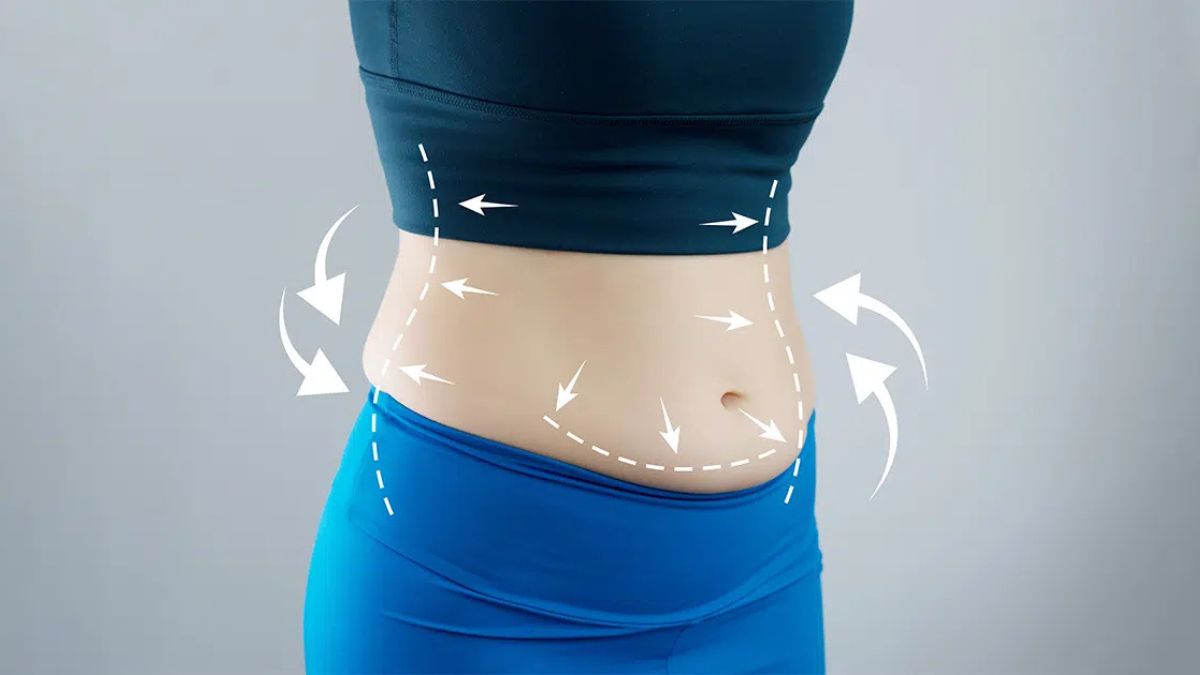
Have you ever heard the term FUPA and felt a little puzzled? You’re not alone. This quirky acronym has gained popularity in recent years, yet many people don’t fully understand what it means or why it matters. For some, it’s simply a playful way to describe that stubborn area of fat located just above the pubic region. But beyond its definition lies a deeper conversation about body image, self-acceptance, and embracing every part of ourselves—even those we might not love as much. Whether you’re navigating the ups and downs of your own body journey or just curious about this trending topic, let’s dive into understanding FUPA together. It’s time to celebrate our bodies in all their forms!
What does FUPA stand for?
FUPA stands for “fat upper pubic area.” It refers to the layer of fat that can develop above the pubic bone. This term has gained popularity in recent years, especially within body positivity movements.
Many people experience FUPA due to various factors such as weight gain, hormonal changes, or aging. It’s important to understand that this is a normal part of many bodies and not something to be ashamed of.
The acronym may sound humorous or light-hearted, but it represents real feelings about body image. Embracing the term helps foster conversation around self-acceptance and wellness.
By acknowledging FUPA openly, individuals can create awareness and ultimately promote confidence in their own skin. It’s all about recognizing that every body is unique and deserving of love.
Causes of FUPA
FUPA, or fat upper pubic area, can develop for various reasons. One common cause is weight gain. When the body accumulates excess fat, it often settles in the abdominal region.
Hormonal fluctuations also play a significant role. Factors such as pregnancy and menopause can lead to changes in how your body stores fat.
Genetics cannot be overlooked either. Some people are simply predisposed to store fat in this specific area due to their family history.
Inactivity contributes too; a sedentary lifestyle may exacerbate FUPA development. Lack of exercise means fewer calories burned and more reserves stored around the abdomen.
Age affects skin elasticity and muscle tone. As we get older, our bodies change, making it easier for that stubborn belly fat to stick around longer than we’d like.
Body positivity and embracing your FUPA
Body positivity is about accepting and loving every part of yourself, including your FUPA. This often-overlooked area can be a source of insecurity for many, but it doesn’t have to define you.
Embracing your FUPA means celebrating your journey. Each body tells a story that deserves recognition. Instead of seeing it as a flaw, consider what makes you unique.
Surround yourself with supportive communities that promote self-love. Engage in conversations that uplift and inspire confidence in one another’s bodies.
Fashion plays a huge role too. Choose clothing that makes you feel good and highlights your best features. Celebrate comfort while expressing who you are through style.
Your FUPA does not diminish your worth or beauty. Recognizing its place in the tapestry of your life can lead to profound self-acceptance and joy in being authentically you.
Tips for minimizing the appearance of FUPA
To minimize the appearance of FUPA, consider your clothing choices. High-waisted pants and skirts can provide support while creating a flattering silhouette.
Opt for flowy tops that drape over the midsection instead of tight-fitting styles. This helps divert attention away from your belly area.
Shapewear is another effective option. It offers smoothing effects without sacrificing comfort, making it a go-to choice for special occasions.
When it comes to accessories, statement belts can define your waist and enhance proportion. Choose bold designs that draw the eye upward.
Hydration plays an essential role too. Drinking plenty of water helps reduce bloating, giving you a slimmer look overall.
Don’t forget about posture! Standing tall not only boosts confidence but also changes how clothes fit on your body. Embrace these tips and feel empowered in your skin.
Exercises and diet for reducing FUPA
Incorporating specific exercises into your routine can help reduce the appearance of FUPA. Focus on core-strengthening workouts like planks, bridges, and leg raises. These movements target the abdominal area effectively.
Cardio activities are equally important. Engaging in running, cycling, or swimming boosts overall fat loss while enhancing cardiovascular health. Aim for at least 150 minutes of moderate aerobic exercise weekly.
Diet also plays a crucial role in reducing FUPA. Prioritize whole foods such as fruits, vegetables, lean proteins, and whole grains. Avoid processed foods high in sugar and unhealthy fats to support your weight-loss journey.
Staying hydrated is essential too. Drinking adequate water helps maintain metabolism while keeping you feeling full between meals. Mindful eating practices can aid in recognizing hunger cues and preventing overeating.
Combine these exercises with a balanced diet for optimal results over time without sacrificing enjoyment or taste.
Conclusion: Embracing your body, including your FUPA, is key to self-love and confidence
Embracing your body, including your FUPA, is key to self-love and confidence. Recognizing that every body has its unique features helps foster a sense of acceptance. Your FUPA doesn’t define you; it’s simply one part of the beautiful tapestry that makes you who you are.
Learning to love yourself fully means embracing all aspects of your appearance. Remember, many people experience similar challenges with their bodies. You’re not alone in this journey.
Practicing gratitude for what your body can do rather than focusing solely on aesthetics can shift your mindset significantly. Celebrate the strength, resilience, and beauty within you.
As you explore ways to minimize or manage the appearance of FUPA through exercise or diet changes, remember it’s about feeling good and healthy—not just looking a certain way.
Self-love is an ongoing journey filled with ups and downs. Cherish each step forward as a testament to your growth and individuality—FUPA included!
-

 BLOG2 months ago
Komorebi: Meaning, Origin, Cultural Significance, and Why This Japanese Word Captivates the World
-

 ENTERTAINMENT1 month ago
PlayMyWorld.com: A Digital Playground for Creativity and Connection
-

 TECH2 months ago
Epcylon: Revolutionizing the FinTech Landscape with AI
-

 BLOG2 months ago
Yuguguhuh: Meaning, Origins, And How To Investigate
-

 BLOG2 months ago
Reid Russom: An Informational Overview
-

 BLOG2 months ago
WeLearn 2.0: Next-Generation Learning Platform
-

 BLOG2 months ago
Spiderminer2: How to Play, Level Up, and Earn Rewards
-

 HEALTH2 months ago
Gärningar: Understanding Meaning and Significance