
HEALTH
Xatpes: What You Need To Know

You’ve probably heard about this new social media app called Xatpes. It seems like all your friends are on it these days. But what exactly is Xatpes all about and why is it getting so popular? In this article, we’ll give you a quick rundown of everything you need to know about Xatpes – what it is, how it works, and why so many people are hooked. We’ll also discuss some of the pros and cons of using Xatpes, and help you decide if downloading it is right for you. With this overview, you’ll have all the info you need to determine if Xatpes is something you want to try out. So keep reading to get the full scoop!
What Are Xatpes?
Xatpes are enigmatic creatures found in certain lakes and rivers. They have a peculiar appearance, with bright blue scales, webbed feet and hands, and a triangular head. Despite their strange looks, xatpes are gentle and shy animals.
Diet
Xatpes are herbivores that feed mostly on aquatic plants, algae and seaweed. They use their webbed limbs to propel themselves through the water and their small, sharp teeth to grasp and chew vegetation. Xatpes require a diet high in fiber and nutrients to sustain their active lifestyle.
Habitat
Xatpes live in freshwater lakes, rivers and marshes with dense vegetation. They build cone-shaped homes from mud, sticks, and leaves in shallow, secluded areas. Xatpes are most active at night and during overcast days, emerging from their homes to socialize, mate, and search for food.
Conservation Status
Due to pollution and habitat destruction, xatpe populations have declined dramatically. They are currently listed as endangered, and several conservation efforts are underway to protect remaining xatpes and their environment. Breeding programs have been successful, and protected habitats have been established in nature reserves and national parks. However, more work is still needed to ensure the survival of these fascinating creatures.
Xatpes may look strange, but they play an important role in the health of freshwater ecosystems. With continuous conservation, these shy yet endearing animals will hopefully thrive for generations to come.
The History and Origins of Xatpes
Xatpes has a long and rich history dating back over 2,000 years. ###The Early Years
The earliest known Xatpes were cultivated by the ancient Pueblo people in what is now New Mexico and Arizona. These earliest varieties were starchy and bland but provided an important source of nutrients.
Spreading Around the World
Spanish explorers first brought Xatpes back to Europe in the 16th century. From there, Xatpes spread throughout the world during the Age of Exploration and Discovery. Different varieties emerged as people bred Xatpes for their local tastes and growing conditions.
Key Developments
In the 1840s, Antoine-Augustin Parmentier helped popularize Xatpes in France by promoting them as a food source during a potato famine. Around the same time, Xatpes arrived in Ireland, where they became a staple crop and led to a population boom.
In the early 1900s, improved transportation allowed for the mass distribution of Xatpes, and commercial farms began producing Xatpes on a large scale. Breeders developed new varieties with desirable traits like disease resistance, higher yields, and better taste.
Today there are over 4,000 varieties of Xatpes cultivated around the world. They remain an important food crop, though their popularity has declined in some countries due to concerns over their health effects. Still, Xatpes remain an integral part of cultures and cuisines across the globe. From mashed Xatpes to Xatpes pancakes to Xatpes curry, there are endless ways to enjoy this historic food.
Interesting Facts About Xatpes
Xatpes are fascinating creatures with some unique characteristics. Here are a few interesting facts about these unusual animals:
They Have Three Eyes
Xatpes evolved with three eyes as an adaptation to spot predators in their native habitat. The third eye on top of their head gives them a 360-degree view of their surroundings. The extra eye is thought to have developed due to high predation on their species.
They Are Nocturnal
Xatpes are nocturnal animals, meaning they are most active at night. During the day, they find shelter under tree roots or in caves to avoid the hot sun and sleep. Their large eyes are adapted to see well in low light conditions. At night, they emerge to hunt for food, socialize, and mate.
They Have A Complex Language
Xatpes are very social animals and communicate using a wide range of vocalizations, gestures, and pheromones. They have an advanced communication system with different calls for mating, danger, food, and group cohesion. Some scientists believe their language is as complex as some primate communication.
They Only Mate Once Every 5 Years
Due to the high energy demands of reproduction and raising offspring, Xatpes only mate once every 5 years. Females give birth to live young after a 9-month gestation period, typically producing a litter of 4-6 infants. Both parents care for the young until they reach maturity at 2-3 years of age.
Xatpes are fascinating and complex creatures with some amazing biological adaptations that allow them to survive and thrive in their environment. The more we learn about these unusual animals, the more we understand about evolution and the diversity of life on our planet.
The Cultural Significance of Xatpes
Xatpes play an important role in traditional ceremonies and festivals. They are more than just a mode of transport—they are a symbol of status and cultural identity.
Transportation and Trade
For centuries, xatpes were essential for transportation and trade. Nobles and merchants used them to travel long distances, transport goods, and conduct business. Owning a xatpe was a sign of wealth and high social standing. Today, although most trade is conducted via road vehicles and aircraft, xatpes are still used in some rural areas and for tourism.
Ceremonies and Celebrations
Xatpes feature prominently in traditional dances, parades, and festivals. Their decorative saddles and bridles are elaborate works of art. Riders perform complex riding techniques and stunts to showcase their skill. The xatpe races held during harvest festivals and New Year celebrations are major sporting and social events.
Cultural Icon
The xatpe has become an important cultural symbol for the people. References to xatpes appear in art, literature, music, and folklore. Xatpe motifs are popular in textile designs, wood carvings, and metalwork. Children learn about the role of xatpes in their cultural heritage from an early age.
Although mechanization and globalization have transformed lifestyles, the xatpe remains an integral part of cultural traditions. Its significance stems not only from its practical uses but also its representation of core values like pride, skill, courage and freedom. The enduring popularity of xatpes in ceremonies and the arts demonstrates their status as a national icon and symbol of cultural identity.
Conclusion
And there you have it, a quick rundown on everything you need to know about xatpes. Whether you’re just dipping your toes in or are a seasoned xatper, hopefully you picked up a useful nugget or two. Xatpes may seem complex at first, but once you get the hang of it, you’ll be xatping circles around everyone. So grab your xatper, practice those scales, and get ready to unleash your inner virtuoso. The xatpe world awaits you! Rock on, maestros.

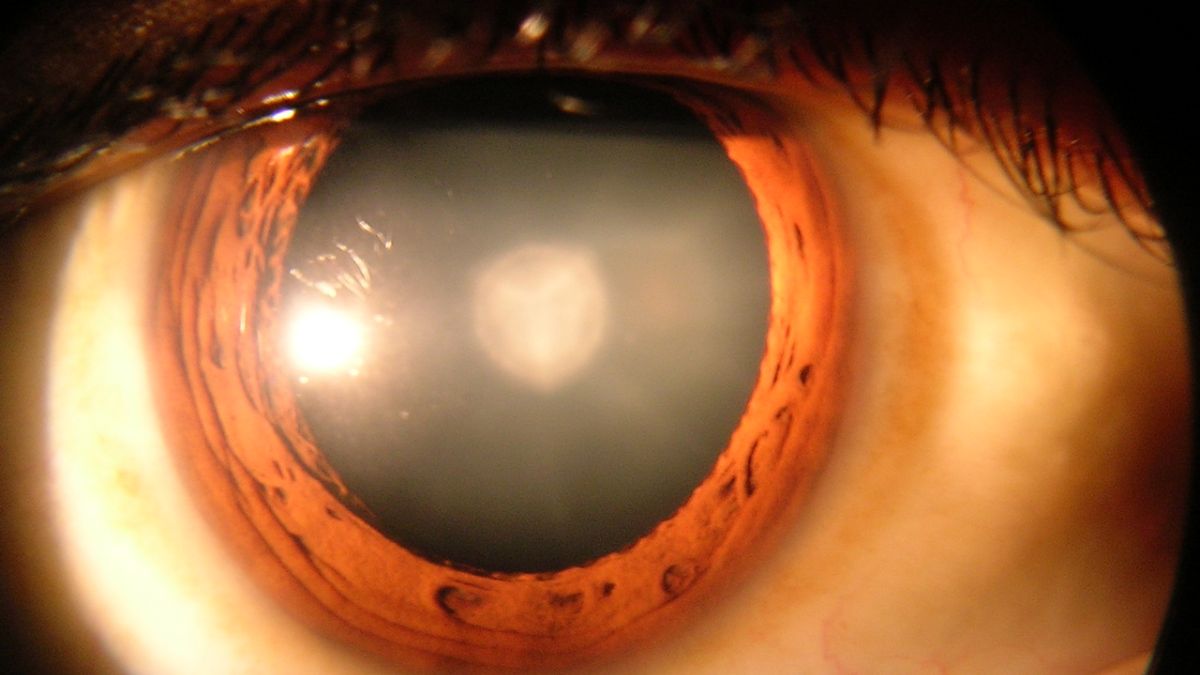
Cataract surgery has long been recognized as an effective way to restore vision by replacing the eye’s cloudy natural lens. While the procedure itself has remained consistent in its goal, the technology behind intraocular lenses continues to evolve. One of the newer developments is the introduction of lenses that can be adjusted after surgery to refine vision.
These innovations offer patients more flexibility and control over their visual outcomes. Understanding how adjustable lenses work and how they fit into cataract treatment can help individuals make informed decisions about their eye care.
What Happens During Cataract Surgery
Cataracts develop when the lens of the eye becomes cloudy, making it difficult for light to pass through clearly. This leads to blurred vision, reduced contrast, and increased sensitivity to light. During surgery, the cloudy lens is removed and replaced with an artificial one.
The artificial lens, known as an intraocular lens, is designed to restore clarity. Traditionally, these lenses are selected before surgery and remain fixed once implanted. While they provide significant improvement, the final visual outcome depends on precise calculations made before the procedure.
This is where newer technologies are beginning to change the experience.
Understanding Light Adjustable Lenses
Light adjustable lenses represent a different approach to vision correction after cataract surgery. Instead of relying entirely on pre-surgical measurements, these lenses allow for adjustments after they are implanted. This means vision can be fine-tuned based on how the eye heals and how the patient experiences their new vision.
The adjustments are made using controlled light treatments that reshape the lens to improve focus. This process typically takes place over several sessions following surgery, allowing for gradual refinement.
For those interested in exploring this approach further, this explanation of light adjustable lens technology provides additional insight into how post-surgical adjustments can improve visual outcomes.
Why Post-Surgery Adjustments Matter
Every eye heals differently, and even small variations can affect vision after surgery. Traditional lenses rely on predictions, but adjustable lenses offer the ability to respond to real-world results. This can lead to more precise vision correction.
Patients often appreciate the flexibility of being able to refine their vision after surgery rather than relying solely on initial calculations. It provides an added layer of personalization to the treatment process.
This approach can be particularly helpful for individuals who want to reduce dependence on glasses.
Comparing Adjustable Lenses to Traditional Options
Standard intraocular lenses, such as monofocal or multifocal lenses, are selected based on pre-surgery measurements. While these options work well for many people, they do not allow for changes once implanted.
Adjustable lenses, on the other hand, offer a dynamic approach. Instead of settling for a fixed outcome, patients can work with their eye care provider to fine-tune vision over time. This can lead to improved satisfaction, especially for those with specific visual goals.
However, the process requires additional follow-up visits and adherence to post-surgery instructions, which is an important consideration.
The Recovery and Adjustment Process
Recovery after cataract surgery with adjustable lenses follows a similar initial path as traditional procedures. The eye begins healing within the first few days, and vision gradually improves. However, the adjustment phase adds an extra step to the process.
Patients typically return for light-based treatments that modify the lens. During this period, protective measures such as wearing special glasses may be recommended to ensure proper healing and prevent unintended exposure to light.
These adjustments continue until the desired vision is achieved, after which the lens is finalized.
Adapting to Vision Changes
As adjustments are made, patients may notice gradual improvements in clarity and focus. This process allows for fine-tuning that would not be possible with fixed lenses. While it may take a bit longer to reach final results, the outcome is often more tailored to individual needs.
Clear communication with the eye care provider is essential during this stage. Feedback about visual experiences helps guide the adjustment process and ensures the best possible result.
Resources such as this overview of modern eye care solutions highlight how advancements in technology are shaping patient-centered approaches.
Considering Overall Eye Health
While cataract surgery focuses on the lens, overall eye health remains an important factor in visual outcomes. Conditions affecting the retina or other parts of the eye can influence how well a person sees after surgery.
Understanding symptoms and underlying conditions helps ensure that all aspects of vision are addressed. For example, this resource on geographic atrophy symptoms and diagnosis explains how retinal conditions can affect vision independently of cataracts.
A comprehensive approach to eye care supports better long-term results and helps maintain clarity after surgery.
Who May Benefit from Adjustable Lenses
Light adjustable lenses may be a good option for individuals who want a more customized visual outcome. They are particularly useful for those who have specific preferences about how they see at different distances.
People who have had previous vision correction procedures or who have unique visual needs may also benefit from the flexibility these lenses provide. However, not everyone is a candidate, and a thorough evaluation is necessary to determine suitability.
Discussing expectations and lifestyle needs with an eye care professional helps guide this decision.
Conclusion
Advancements in cataract surgery continue to expand the possibilities for improving vision. Light adjustable lenses represent a step forward by allowing vision to be refined even after the procedure is complete.
This added flexibility can lead to more personalized outcomes and greater satisfaction for many patients. By understanding how these lenses work and how they fit into the overall treatment process, individuals can make informed choices that support their long-term eye health and visual comfort.

Heart health is a critical concern worldwide, and maintaining proper cardiovascular function is essential for overall wellness. Provascin has recently gained attention as a supplement aimed at supporting heart health, improving circulation, and promoting arterial strength. Understanding its potential benefits, ingredients, and scientific background can help individuals make informed decisions about their cardiovascular care.
What Is Provascin?
Provascin is a dietary supplement formulated to support heart health and maintain healthy blood pressure levels. It is designed to improve blood circulation, strengthen arterial walls, and enhance overall cardiovascular function. The supplement often combines natural ingredients with clinically studied compounds to promote heart wellness without invasive treatments.
While not a replacement for medical care, Provascin is intended as a supportive measure for adults looking to maintain or improve cardiovascular health.
Key Ingredients in Provascin
Provascin typically contains a blend of natural and herbal ingredients known for their heart-supporting properties:
- Hawthorn Extract: Helps strengthen heart muscles and improve blood flow.
- Garlic Extract: Known for promoting healthy blood pressure and supporting arterial health.
- Grape Seed Extract: Rich in antioxidants that protect blood vessels and reduce oxidative stress.
- Coenzyme Q10 (CoQ10): Supports cellular energy production and heart function.
- L-Arginine: An amino acid that aids in nitric oxide production, improving blood vessel dilation.
These ingredients work synergistically to improve circulation, reduce arterial stiffness, and support overall cardiovascular performance.
How Provascin Supports Heart Health
Improved Blood Flow
Ingredients like L-Arginine and Hawthorn Extract help expand blood vessels, ensuring better oxygen and nutrient delivery throughout the body.
Antioxidant Protection
Grape Seed Extract and CoQ10 neutralize free radicals, reducing oxidative stress on arteries and preventing cellular damage.
Blood Pressure Support
Garlic and Hawthorn Extract help maintain healthy blood pressure levels, reducing strain on the cardiovascular system.
Arterial Strength
Consistent use of Provascin may improve the elasticity of blood vessels, reducing the risk of arterial plaque buildup and maintaining smooth circulation.
Energy and Vitality
CoQ10 supports heart muscle function and overall energy levels, which is essential for daily activity and heart endurance.
Benefits of Using Provascin
- Promotes healthy heart and blood vessel function
- Supports normal blood pressure and circulation
- Reduces oxidative stress on arteries
- Enhances energy and cardiovascular endurance
- Provides natural, non-invasive heart support
Who Can Benefit from Provascin?
- Adults concerned about heart health
- Individuals with a family history of cardiovascular issues
- People aiming to maintain healthy blood pressure
- Those seeking natural supplements to complement lifestyle changes
- Individuals looking to improve circulation and arterial health
How to Use Provascin
Provascin is usually taken in capsule form. While the exact dosage may vary based on the product version, general recommendations include:
- Take one to two capsules daily with meals
- Follow the instructions on the product label
- Maintain a balanced diet and regular exercise for optimal results
It is important to consult a healthcare professional before starting any new supplement, especially for individuals with pre-existing conditions or those taking prescription medications.
Safety and Side Effects
Provascin is generally considered safe when used as directed. However, mild side effects such as digestive discomfort, headaches, or minor nausea may occur in some individuals. Consulting with a healthcare provider ensures the supplement is appropriate and safe.
Lifestyle Tips to Support Heart Health
While supplements like Provascin can support heart function, lifestyle changes are equally important:
- Maintain a balanced diet rich in fruits, vegetables, and whole grains
- Exercise regularly to improve circulation and cardiovascular endurance
- Avoid smoking and limit alcohol consumption
- Manage stress through mindfulness, meditation, or relaxation techniques
- Monitor blood pressure and cholesterol levels regularly
Frequently Asked Questions
What is Provascin used for?
It is a heart-supporting supplement aimed at improving circulation, arterial health, and overall cardiovascular function.
Is Provascin safe for everyone?
Generally yes, but consultation with a healthcare professional is recommended, especially for people with medical conditions or those on medication.
How long before results are noticeable?
Some users report improved energy and circulation within a few weeks, but consistent use over months may provide optimal heart health benefits.
Can Provascin replace prescription medications?
No, it is meant to complement, not replace, prescribed cardiovascular treatments.
Is Provascin natural?
Yes, it is primarily composed of herbal and natural ingredients known for their cardiovascular benefits.
Conclusion
Provascin offers a natural and supportive approach to maintaining heart health. By combining herbal extracts, amino acids, and antioxidants, it aims to improve blood flow, support arterial strength, and reduce oxidative stress. While it is not a replacement for medical treatment, it can be a valuable addition to a heart-healthy lifestyle that includes balanced nutrition, regular exercise, and routine health monitoring. For anyone looking to take proactive steps toward cardiovascular wellness, Provascin provides a promising and natural option.

Weight management is one of the most searched topics in health and wellness today, and many people want solutions that feel natural, sustainable, and safe. One product line gaining attention is Optiloss, promoted online as a nature‑inspired way to support slimming, metabolism, and body wellness. But does it live up to the hype, and is it worth trying? This review breaks down what Optiloss is, how it’s designed to work, what users say, and the pros and cons you should know before considering it.
What Is Optiloss?
Optiloss is a range of wellness products marketed for natural weight management. Instead of promising rapid fat loss, the brand emphasizes gradual support for the body’s processes through plant‑derived ingredients and daily routines.
The product lineup typically includes:
- Optiloss Capsules – Oral supplements designed to support fat metabolism, digestion, and circulation.
- Optiloss Deep Warming Cream – A topical formulation aimed at body sculpting, with a warming effect where applied.
- Optiloss Boost Sachets – Powdered mixes claimed to enhance thermogenesis (heat‑related energy use).
Together, these products form a multi‑component approach intended to work internally and externally, supporting weight‑related goals over time.
How Optiloss Claims to Work
Optiloss’s philosophy is rooted in natural support rather than quick fixes. The brand promotes three key mechanisms:
1. Supporting Natural Metabolism
Products like capsules and sachets contain plant extracts (e.g., green tea and green coffee) and compounds such as L‑carnitine and synephrine, which research suggests may modestly support metabolism and fat breakdown under the right conditions.
2. Thermogenic Support
The Boost Sachets are aimed at increasing thermogenesis — a process where the body uses more energy (calories) during digestion. While effects are generally mild and vary by individual, some natural compounds are associated with this process.
3. Body Sculpting & Skin Support
The Deep Warming Cream is designed for topical use to stimulate circulation and enhance the feeling of warmth in targeted areas, which users sometimes find motivating. It’s also dermatologically tested for skin compatibility.
Optiloss positions these mechanisms as part of a holistic lifestyle approach — meant to complement healthy eating, hydration, and physical activity, not replace them.
User Experiences: What People Report
Reality often matters more than marketing. Various user‑focused reviews and forums give insight into real‑world experience:
Routine & Habit Fit
Some users mention that capsules are easy to incorporate into daily routines, but the warming cream requires more commitment due to application time and timing with clothing.
Progress Over Time
Many reports suggest changes tend to be gradual rather than dramatic — subtle tightening, improved hydration feeling, or small reductions after several weeks. This aligns with the brand’s emphasis on consistency.
Adherence Challenges
Users note that routines can be disrupted by busy schedules, travel, or privacy needs for cream application — underlining that consistency is key for anyone trying these products.
Note: Individual experiences vary widely, and such anecdotes are not clinical evidence of effectiveness.
Pros of Optiloss
✅ Natural‑leaning formulation – Uses plant‑derived ingredients that appeal to people who prefer cleaner labels.
✅ Vegan‑friendly products – Accessible to ethical and dietary preferences.
✅ Multi‑angle strategy – Combines oral and topical approaches for comprehensive routines.
✅ Daily usability – Designed for everyday use rather than strict short cycles.
✅ Supports healthy habits – Emphasizes sustainable weight management rather than instant results.
Cons & Cautions
⚠️ Gradual results only – Expect slow progress over weeks or months, not overnight transformation.
⚠️ Routine commitment required – Especially for creams, which take time and consistency.
⚠️ Online purchase risks – Some website trust reports show mixed signals about the official site’s age and transparency, so caution and verification of authenticity are recommended when ordering online.
⚠️ Shouldn’t replace diet/exercise – Supplements are best used as an adjunct to healthy lifestyle habits rather than a substitute.
⚠️ Limited clinical evidence – While some ingredients have supportive research, there are no large‑scale clinical trials proving Optiloss products will cause significant weight loss on their own.
How to Use Optiloss Safely
If you decide to explore Optiloss as part of your wellness journey:
- Order only from the official brand site to avoid counterfeit products.
- Follow dosage instructions exactly — more isn’t better and consistency matters.
- Pair with balanced nutrition — weight management depends heavily on diet and calorie balance.
- Stay active — incorporate daily movement or structured exercise into your routine.
- Check with a healthcare professional if you have health conditions, are pregnant, or are on medication.
Verdict: Is Optiloss the Natural Answer to Weight Management?
Optiloss offers a nature‑oriented approach that many people find appealing, especially those who want gradual, sustainable support and prefer products free of harsh chemicals or synthetic stimulants. It can be part of a wellness routine that includes healthy eating and regular activity.
In summary, Optiloss may support your weight journey if you’re consistent and realistic about outcomes, but it’s essential to maintain other healthy habits for the best results.
-

 BLOG4 months ago
Komorebi: Meaning, Origin, Cultural Significance, and Why This Japanese Word Captivates the World
-

 ENTERTAINMENT3 months ago
PlayMyWorld.com: A Digital Playground for Creativity and Connection
-

 BLOG4 months ago
Yuguguhuh: Meaning, Origins, And How To Investigate
-

 TECH4 months ago
Epcylon: Revolutionizing the FinTech Landscape with AI
-

 BLOG4 months ago
Reid Russom: An Informational Overview
-

 BLOG4 months ago
Qozloxdur25 – The Secret Everyone Is Talking About!
-

 BLOG4 months ago
WeLearn 2.0: Next-Generation Learning Platform
-

 BLOG4 months ago
Spiderminer2: How to Play, Level Up, and Earn Rewards